
Imagine you could overall experience cannabis in a way that’s both discreet and delicious? This is a question many consumers ask exploring the today’s world of cannabis products.
Delta 9 THC Gummies
THC gummies are a common form of cannabis edibles. They are sweet chewable candies infused with tetrahydrocannabinol, the main psychoactive compound in cannabis.
These products have grown rapidly in popularity as a discreet and convenient alternative to smoking or vaping. They offer a distinct experience and a unique way to consume cannabis.
This in-depth guide will cover the key topics. We will explore the science behind how edibles work in the body. You’ll learn about their potential benefits and the range of effects you might feel.
We will also discuss important safety tips and the present legal status in the United States. Understanding these factors is essential for making informed, responsible choices.
Whether you’re new to this or have some experience, this guide is your ultimate resource. It aims to demystify these products and their role in today’s changing cannabis culture.
THC Gummies Decoded: Your Complete Handbook To Cannabis Edibles
This guide works as your detailed guide to understanding the popular category of cannabis edibles.
Our goal is to be your all-in-one resource. We cover everything from the basic definitions to more advanced topics.
You will learn about proper dosing, different strain types, and the science behind the effects.
The world of cannabis consumables is wide-ranging and sometimes complex. These products have moved well beyond the traditional forms.
Among all options, chewy infused treats hold a major market role. Many users favor them for their clear dosing and easy-to-enjoy flavors.
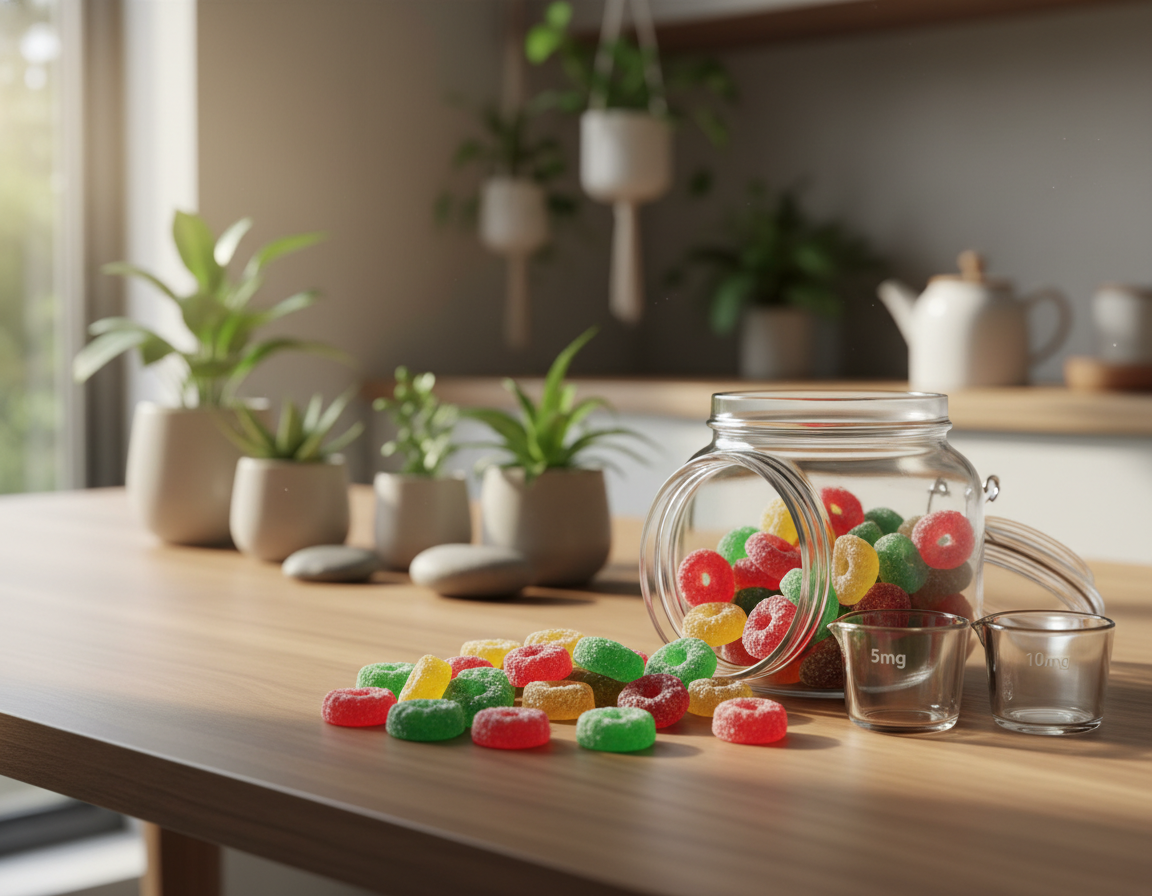
The chart below highlights how these items compare to other common edible forms.|The table below highlights how these items compare to other common edible forms.
| Key point: Edible Type | Key point: Dosing Precision | Note: Flavor Variety | Key point: Discretion & Portability |
|---|---|---|---|
| Key point: Gummies | High (per piece) | Note: Very High | Note: Very High |
| Chocolates | Moderate | Note: High | Key point: High |
| Baked Goods | Low (per item) | Key point: Moderate | Note: Low |
| Beverages | Moderate to High | Key point: High | Note: Moderate |
These consumables appeal to a wide audience. Some individuals use them for recreational enjoyment alone.
Others look to them for therapeutic effects. The best path to a good experience is solid information.
Education is the cornerstone of responsible and beneficial cannabis use. Understanding what you are consuming empowers you to make choices that align with your personal goals.
This guide synthesizes insights from reputable sources. We provide a balanced, fact-based overview to help you navigate.
We invite you to review the following sections. They will deepen your knowledge of specific aspects of these popular infused treats.
What Are THC Gummies? A Contemporary Take On Cannabis Consumption
Moving beyond traditional methods, a new generation of cannabis products offers a different kind of experience. These chewy, infused treats represent a specific category within the broader world of consumables. They are made for oral use, providing a measured and pleasant-tasting way to enjoy the effects of the plant.
This form has gained traction as part of a broader cultural shift. Many individuals now favor options that don’t involve smoking and vaping. Let’s explore what makes these items a standout choice for so many people.
Beyond Inhalation: The Rise Of Low-Profile Edibles|Past Inhalation: The Growth Of Discreet Edibles
The appeal of edible forms lies in their discretion and convenience. They create no smoke or heavy odor, allowing for private use. This method also avoids potential respiratory irritation linked to inhalation.
Effects from oral consumption usually last much longer than those from smoking. This can create a more sustained and gradual experience. The comparison below highlights key differences between these two main consumption methods.
| Note: Factor | Smoking/Vaping | Edibles (Like Gummies) |
|---|---|---|
| Note: Onset of Effects | Within minutes | Note: 30 minutes to 2 hours |
| Duration of Effects | 1 to 3 hours | 4 to 8 hours or more |
| Discretion | Key point: Low (smoke, smell) | Very High |
| Note: Respiratory Impact | Potential for irritation | Note: None |
This shift reflects a desire for controlled and health-conscious consumption. Edibles provide a powerful alternative that can fit easily into daily life.
Cannabinoids 101: THC, CBD, And The Key Ingredients
At the center of these products are compounds called cannabinoids. These are the key compounds found in the cannabis plant. The two most well-known are THC and CBD.
THC is the primary component known for causing the psychoactive “high.” CBD, on the other hand, is non-intoxicating and is often associated with therapeutic potential. The ratio of THC to CBD in a product greatly influences its overall result.
Put simply, “Cannabinoids like THC and CBD interact with our body’s own systems in unique ways. Understanding this interaction is the first step to using these compounds effectively and safely.”
Manufacturing these treats involves a careful process. Cannabinoids are extracted from the flowers of the plant, often Cannabis sativa. They are then heated in oil or fat—a step called decarboxylation.
This heating activates the THC, making it psychoactive. The activated cannabinoids are then infused into a gelatin or pectin base to create the finished edible. While many products come from Cannabis sativa plants, the specific chemical profile is more important than a strain label.
Reviewing the THC/CBD ratio reveals more about the experience than whether it’s called Indica or Sativa. Knowing these core ingredients is essential for assessing any product you may want to try.
The Mechanics Of The Experience: How Your Body Processes Edibles
The journey of an edible through your system is a complex biochemical process that shapes the entire experience. When you consume a cannabis-infused treat, it doesn’t work the same way as smoking. The effects feel different because your body handles the active compounds through digestion.
This metabolic pathway is why the onset is delayed and the duration is extended. Understanding this science helps you set realistic expectations and use these products more safely.
The Path: From Stomach To Liver To Brain
Put simply, After you eat an infused product, it travels to your stomach. Here, the cannabinoids begin to mix with digestive acids. They are not yet active in your bloodstream.
In simple terms, The compounds then move to the small intestine for absorption. This is where they enter the portal vein, a blood vessel that leads directly to the liver. This step is called “first-pass metabolism.”
Your liver acts as a major processing center. It works to break down various substances, including the active components from cannabis. This necessary detour is what causes the wait before you feel anything.
Put simply, The onset of effects can range from 30 minutes to two hours. This wide window depends on individual factors like your metabolism and whether you’ve eaten recently. The table below outlines this digestive pathway compared to inhalation.
| Note: Absorption Route | Primary Organ | Key point: Key Process | Typical Onset Time |
|---|---|---|---|
| Edible (Digestive) | Liver | First-Pass Metabolism | Key point: 30 mins – 2 hours |
| Key point: Smoked (Inhalation) | Lungs | Direct Absorption into Blood | Note: Within minutes |
Only after liver processing do the metabolites enter the general bloodstream. They are then carried to your brain and throughout your body. This entire journey explains the slow build-up of the feeling.
Overview: 11-Hydroxy-THC: Why The Edible High Feels Different
The liver doesn’t just pass the compounds along. It chemically transforms them. A key change is the conversion of delta-9-THC into a metabolite called 11-hydroxy-THC.
This metabolite is more potent than its predecessor. It crosses the blood-brain barrier much more efficiently. The result is a stronger and often more physical experience.
“11-hydroxy-THC is the reason an edible high is frequently described as more intense and longer-lasting. It’s a fundamentally different compound created by your own body’s chemistry.”
This conversion is the core reason the effects from edibles are distinct. Users often report a heavy, body-centric sensation. The psychoactive experience can feel deeper and more sedating.
Put simply, Individual liver function and overall metabolism play a huge role. Someone with a faster metabolism may process the compounds quicker. Diet, especially a fatty meal, can also increase absorption.
In simple terms, Knowing about 11-hydroxy-THC is crucial. It explains why a small dose of an edible can produce a powerful effect. This knowledge underscores the importance of starting with a low amount and waiting patiently.
Overview: Timing And Duration: What To Expect After You Ingest
In simple terms, The classic mistake with edibles is impatience, leading to a far more intense experience than intended. Understanding the predictable timeline of effects is your best defense.
Put simply, This timeline has two distinct phases. First is the waiting period, or onset. Second is the extended period of peak effect and gradual decline.
In simple terms, Knowing what to expect during each phase allows for safe, enjoyable, and responsible use.
Overview: Onset: Why Patience Is Key (30 Minutes To 2 Hours)
Put simply, After consuming an infused treat, nothing happens right away. The active compounds are beginning their journey through your digestive system.
Put simply, This process takes time. You might start to feel initial effects in as little as 30 minutes. For many people, it takes a full hour or two.
Put simply, This delay is the single biggest cause of overconsumption. People assume the product isn’t working and take more. Then, both doses kick in later, creating an overwhelming feeling.
Several personal factors influence how quickly you feel the effect. Your metabolism, what you’ve eaten, and the product’s formula all play a role.
| Note: Factor | Key point: Faster Onset | Key point: Slower Onset |
|---|---|---|
| Key point: Stomach Contents | Consumed on an empty stomach | Consumed after a large, fatty meal |
| Individual Metabolism | Naturally fast metabolism | Note: Naturally slower metabolism |
| Key point: Product Formulation | Fast-acting nanoemulsion formulas | Key point: Traditional oil-based infusions |
In simple terms, The golden rule is “start low and go slow.” Once you take a dose, wait at least two full hours before considering more.
Overview: Peak And Length: Sensations That Last For Hours
When the effects begin, they build gradually to a peak or plateau. This period of maximum intensity can last for several hours.
Put simply, It is a sustained experience, very different from the quick spike and fade of smoking. The intense main effects can persist for up to 12 hours.
In simple terms, After the peak, you will enter a gradual comedown phase. Subtle effects or a relaxed “afterglow” can linger for up to 24 hours after ingestion.
“Consuming an edible is a commitment of time. You should plan your schedule as if you won’t be at your full operational capacity for the rest of the day and into the next morning.”
This extended duration is the most significant trade-off compared to smoking. The table below highlights this key difference.
| Note: Aspect | Cannabis Edibles | Key point: Smoked Cannabis |
|---|---|---|
| Key point: Total Experience Time | Key point: Up to 12+ hours | 1 to 4 hours |
| Key point: Peak Effect Period | Key point: Several hours | 30 minutes to 1 hour |
| Key point: Planning Consideration | Requires a clear, responsibility-free schedule | Note: Easier to fit into a shorter window |
For a positive way to use these products, plan accordingly. Choose a time when you have no urgent tasks, need to drive, or have major commitments for many hours.
Put simply, This knowledge empowers you to schedule your experience safely. It helps avoid situations where prolonged effects could be problematic or uncomfortable.
Overview: Potential Benefits And Therapeutic Effects Of THC Gummies
The growing interest in cannabis edibles isn’t just about enjoyment. It’s also driven by their reported therapeutic applications.
Many individuals use these products hoping to manage specific symptoms. Anecdotal reports are plentiful, but robust clinical research is still evolving.
This section explores popular claims balanced with current scientific understanding. It highlights areas where evidence is promising yet limited.
Remember, these infused treats are not a cure-all. They should complement professional medical advice, not replace it.
Anxiety Support And Mood Enhancement
In simple terms, Low doses of certain cannabinoids may promote a sense of calm. Many people report using edibles to ease social anxiety or general stress.
Put simply, The compound CBD is often noted for its potential anxiety relief without intoxication. When combined with a small amount of THC, the effects can be calming for some.
It’s crucial to note that high THC doses can sometimes increase anxiety. Finding the right balance and dosage is highly personal.
“The relationship between cannabinoids and anxiety is dose-dependent. Microdosing often provides the mood enhancement many seek, while larger amounts can trigger the opposite reaction.”
Chronic Pain And Inflammation Management
Managing persistent pain is a common reason people explore these options. Cannabinoids interact with the body’s endocannabinoid system, which regulates pain perception.
Research suggests these compounds have anti-inflammatory properties. Animal studies support this, and human reports often cite relief from neuropathic pain.
In simple terms, The experience from edibles may be particularly suited for deep, bodily discomfort. The prolonged effects can provide sustained relief throughout the day or night.
| Reported Benefit | Associated Cannabinoids | Considerations |
|---|---|---|
| Note: Reduction in inflammatory pain | Note: THC, CBD | Note: Effects vary; not a substitute for anti-inflammatory medication |
| Note: Neuropathic pain relief | THC | Note: More consistent anecdotal reports; clinical trials ongoing |
| General analgesic effect | Key point: THC and CBD combined | May allow for lower doses of traditional painkillers |
Rest Aid And Insomnia Relief
Put simply, Many users find certain infused products helpful for sleep. Indica-leaning formulas or those with added CBN are popularly used for sedation.
The relaxing effects on the body can make it easier to fall asleep. They may also help individuals stay asleep longer.
In simple terms, It’s important to know that tolerance to the sleep-promoting effects can develop over time. Cycling use or taking breaks is often recommended.
Overview: Muscle Spasm Control And Relaxation
Clinical findings show promise for muscle spasm conditions. Oral cannabis extracts have been shown to reduce spasticity scores in multiple sclerosis patients.
In simple terms, This application is one of the more researched areas for therapeutic use. The muscle-relaxing properties can provide significant relief for some individuals.
The combination of THC with other cannabinoids like CBD appears to enhance these effects. This synergy is a key focus of modern product formulation.
While evidence is encouraging, results can vary from person to person. Starting with a very low dose is especially important here.
In simple terms, Overall, these consumables offer a potential tool for symptom management. Informed, cautious experimentation is key to finding what works for you.
Navigating The Sensations: From Euphoria To Sedation
Navigating the effects of these consumables requires understanding both the sought-after highs and potential lows. The subjective journey is deeply personal and can vary widely from one person to the next.
Your mindset and physical environment are powerful directors of this experience. Knowing what to expect helps you steer toward a positive outcome.
Put simply, This section maps the full spectrum of sensations. We’ll cover the common positive states many seek and the less desirable reactions that can occur.
Guide: The Common Positive Sensations: Relaxation And Altered Perception
In simple terms, Many individuals report a profound sense of relaxation after consuming an infused treat. This isn’t just mental calm but often a deep, physical release of tension.
Muscles may feel loose and heavy. This bodily sedation is one reason people turn to these products for stress relief or to unwind at day’s end.
Alongside relaxation comes a shift in perception. Time can seem to slow down, making moments feel more expansive.
Put simply, Senses like taste and hearing often become heightened. Music may sound richer, and flavors in food can become more intense and enjoyable.
In simple terms, These altered states are why many choose this way to enhance activities like watching a movie or spending time in nature. The table below summarizes these sought-after effects.
| Note: Positive Effect | Common Description | Typical User Goal |
|---|---|---|
| Euphoria & Well-being | Key point: A sense of happiness, contentment, or giggles | Recreation, mood lift |
| Key point: Deep Physical Relaxation | Release of muscle tension, feeling “couch-locked” | Key point: Stress relief, pain management |
| Altered Time Perception | Minutes feel like hours; immersion in the moment | Enhancing leisure activities |
| Heightened Senses | Note: More vivid taste, sound, and touch | Sensory exploration |
“The most rewarding experiences often come from a low to moderate dose. It allows for gentle euphoria and relaxation without overwhelming the senses. This is where the therapeutic and recreational benefits beautifully intersect.”
For some, these products offer a temporary escape from chronic discomfort. The pain-relieving properties can provide a welcome respite.
Understanding Less Desirable Effects: Anxiety And Dizziness
Put simply, Taking too much, especially for a novice, can lead to an uncomfortable feeling. The potent nature of digested cannabinoids is often to blame.
In simple terms, Common negative reactions include sudden anxiety or paranoia. Your heart rate might increase, creating a sense of panic.
Dizziness, confusion, and nausea are also reported. In severe cases of overconsumption, hallucinations or a fear of losing control can occur.
It’s important to know that these consumables are linked to more emergency room visits than smoked cannabis. The delayed onset and high potency of liver-processed compounds are key factors.
In simple terms, Your mindset and setting are critical. Being in a stressful environment or an anxious state of mind can magnify these negative effects.
Put simply, If you find yourself in an uncomfortable situation, remember these steps:
- Do not panic. Remind yourself that the experience is temporary and will pass.
- Keep in mind: Find a calm space. Move to a quiet, familiar room. Dim the lights and put on soothing music.
- Use CBD if available. Cannabidiol (CBD) can counteract the anxiety-inducing effects of too much THC.
- Tip: Hydrate and snack. Drink water and eat a light, bland snack like crackers. This can help ground you.
- Rest or sleep it off. If possible, lying down and closing your eyes can help the time pass.
The best strategy is always prevention. Always “start low and go slow” with any new product.
Understanding this full spectrum empowers you. It allows for informed choices and better management of your personal journey with these infused treats.
Overview: Indica, Sativa, And Hybrid: Do Strain Types Matter In Gummies?
When browsing cannabis edibles, you’ll often see labels like ‘Indica’ or ‘Sativa’. But what do these terms really mean? These classifications are deeply rooted in cannabis culture and marketing.
They promise to guide you toward a specific type of experience from your infused treat. This section decodes these common labels and assesses their real-world relevance for consumers.
It’s important to understand what these names imply. More importantly, we’ll look at what truly determines the effects you feel.
Guide: Indica-Leaning: Associated With Body Relaxation And Sleep
Products labeled as Indica are traditionally linked to deep physical effects. Users often report a heavy, sedating sensation that spreads through the body.
This is commonly called a “body high.” It can lead to couch-lock, where you feel incredibly relaxed and stationary.
In simple terms, Because of these properties, Indica-leaning options are popular for evening use. Many people choose them to unwind after a long day or to support sleep.
The reputation is one of calm and tranquility. It’s the classic choice for a night in, aiming for rest and recovery.
Guide: Sativa-Leaning: Associated With Uplifting, Energetic Effects
In simple terms, In contrast, Sativa labels suggest a more cerebral journey. The reported effects are often described as uplifting and energizing.
Users may feel a boost in creativity, focus, or social engagement. This type is frequently associated with a “head high” rather than a body-centric one.
As a result, many consumers reach for Sativa-leaning products during the daytime. They are chosen for activities that require mental clarity or a mood lift.
In simple terms, The experience is often linked to feeling productive, talkative, and inspired. It’s marketed as the go-to for a functional, creative, or social session.
| Note: Strain Label | Note: Reported Common Effects | Typical Cannabinoid Profile | Common User Goal |
|---|---|---|---|
| Indica-Leaning | Body relaxation, sedation, couch-lock | Often higher in CBD or specific relaxing terpenes | Evening unwind, sleep aid, pain relief |
| Sativa-Leaning | Key point: Uplifting, energetic, cerebral, creative | Often higher in THC with stimulating terpenes | Key point: Daytime activity, socializing, focus |
| Hybrid | Note: Balanced mix of body and cerebral effects | Key point: Varies widely; a blend of cannabinoids and terpenes | Note: Versatile use, tailored experience |
Overview: The Reality: Chemistry Matters More Than Strain Label
Put simply, The scientific perspective reveals that the Indica/Sativa dichotomy is often oversimplified. Experts note you cannot reliably tell the difference between these plants just by looking.
In simple terms, The reported differences in effects are due to chemistry, not species. The specific cannabinoid profile and terpene content are far more reliable predictors.
In simple terms, “The strain name on a package is often a marketing tool based on reported effects, not pure genetics. The chemical makeup—the amounts of THC, CBD, and other compounds—is what actually creates your experience.”
Most commercial cannabis is extensively hybridized. The labels Indica, Sativa, or Hybrid are frequently based on the plant’s observed traits and user reports.
Put simply, For a consumer, this means strain labels can serve as a general guide. However, you should pay closer attention to the listed cannabinoid percentages and lab reports.
In simple terms, Look for the amounts of THC, CBD, and other active ingredients. This data provides a clearer picture of what a product might do.
Put simply, Personal experimentation is ultimately the best way to determine which type works for your desired outcome. Start with a low dose and note how different chemical profiles make you feel.
This informed approach empowers you to move beyond simple labels. You can make choices based on the actual chemistry of the product.
Beyond THC: Learning About CBD, CBN, And CBG Gummies
In simple terms, While THC is the most famous cannabinoid, it’s just one player in a much larger chemical cast found in cannabis. Modern infused treats often feature a sophisticated blend of these compounds.
This approach moves beyond a singular focus. It aims to harness the full therapeutic spectrum of the plant.
Understanding these other ingredients empowers you to make more targeted choices. You can select products aligned with specific wellness goals.
Put simply, This section explores three prominent cannabinoids gaining popularity in edible formulations. We’ll look at CBD, CBN, and CBG.
In simple terms, Each offers a unique profile of potential effects. They are available either alone or skillfully blended with THC.
CBD Gummies: Non-Intoxicating Therapeutic Potential
In simple terms, Cannabidiol, or CBD, is the most researched non-intoxicating cannabinoid. It does not produce a psychoactive “high.”
Put simply, This makes it appealing for individuals seeking potential therapeutic benefits without impairment. Many users report success with managing everyday anxiety and stress.
Early research and anecdotal evidence also point to anti-inflammatory properties. This may help with certain types of chronic pain.
When derived from hemp containing less than 0.3% THC, CBD gummies are federally legal in the United States. They are widely available online and in stores.
Blends that combine THC CBD are also common. The Sweet Peach gummy is one example, offering a balanced experience.
“CBD works by supporting the body’s endocannabinoid system, which regulates mood, sleep, and pain perception. Its non-intoxicating nature allows for use throughout the day.”
CBN Gummies: The Cannabinoid For Sleep
Cannabinol (CBN) is emerging as a powerful ally for rest. It is often marketed specifically for nighttime use.
This minor cannabinoid is created as THC ages and breaks down. It is noted for its pronounced sedative and relaxing properties.
In simple terms, Many consumers find CBN helpful for winding down in the evening. It may support falling asleep faster and staying asleep longer.
Products like the Verdes Lavenberry gummy pair CBN with a modest amount of THC. This combination is designed to enhance the sleep-promoting effects.
It’s a popular choice for those seeking an alternative to over-the-counter sleep aids. The experience is typically one of deep physical calm.
Guide: CBG Gummies: Exploring The “Mother Cannabinoid”
Cannabigerol (CBG) is often called the “mother” or “stem cell” cannabinoid. This is because other cannabinoids, like THC and CBD, are derived from its acidic form.
It is present in much smaller quantities in mature plants. This makes it more challenging and expensive to extract.
Put simply, Early scientific studies are investigating its potential. Research points to anti-inflammatory, neuroprotective, and antibacterial properties.
In consumer products, CBG is often touted for promoting focus and gentle uplift. The Orange Sunrise gummy, which combines THC and CBG, exemplifies this daytime-targeted blend.
Users report a clear-headed, functional experience. It’s suited for creative tasks or social engagement without heavy sedation.
| Note: Cannabinoid | Primary Reported Effects | Common Product Goal | Example Blend |
|---|---|---|---|
| CBD | Calm, pain relief, no intoxication | Key point: Daytime wellness, anxiety management | Sweet Peach (THC+CBD) |
| CBN | Sedation, deep relaxation, sleep aid | Key point: Nighttime use, insomnia relief | Note: Verdes Lavenberry (THC+CBN) |
| CBG | Focus, mild uplift, anti-inflammatory | Note: Daytime activity, functional support | Note: Orange Sunrise (THC+CBG) |
The theory of the “entourage effect” is key here. It suggests that cannabinoids and other plant compounds work better together than in isolation.
Put simply, Their combined action may enhance benefits and moderate unwanted side effects. This synergy is a major reason behind blended formulations.
When choosing between options, consider your primary goal:
- Tip: For sleep: Look for products with CBN or indica-leaning blends.
- For daytime calm without a high: Pure CBD gummies are ideal.
- For functional focus: Consider a formula with CBG.
- For balanced relief: A THC CBD mix might be perfect.
Put simply, This knowledge allows you to move beyond a singular focus. You can explore the nuanced benefits offered by the whole cannabis plant in today’s advanced edibles.
Overview: Edibles Vs. Inhalation: Key Differences In Onset, Potency, And Health
In simple terms, Your lungs or your liver? This question lies at the heart of the choice between smoking and consuming edibles.
These two methods offer fundamentally different journeys. The right one for you depends on your desired speed, strength, and health considerations.
This direct comparison breaks down the key factors. We’ll look at timing, potency, and physical impact.
Put simply, Understanding these contrasts helps you pick the method that fits your lifestyle and goals.
Guide: Speed Of Onset And Length Of Experience
Inhalation offers almost instant feedback. When you smoke or vape, compounds enter your bloodstream through the lungs within minutes.
In simple terms, You feel the effect quickly and can gauge its intensity right away. This allows for rapid control over your dose.
Ingestion requires patience. Consumables must travel through your digestive system and liver.
In simple terms, This process takes time, typically 30 minutes to two hours for onset. The total experience can last many hours, often up to 12.
| Factor | Smoking/Vaping | Edibles |
|---|---|---|
| Key point: Onset of Effects | Within minutes | 30 minutes to 2 hours |
| Duration of Effects | Note: 1 to 4 hours | Note: 4 to 12+ hours |
| User Control | Key point: High (adjust dose quickly) | Note: Low (requires long wait) |
| Note: Time Commitment | Key point: Short | Long |
The delayed onset is why accidental overconsumption is more common with edibles. People sometimes take more, thinking the first dose didn’t work.
Potency And Intensity Of The High
Milligram for milligram, the ingested way often feels stronger. This is due to liver metabolism.
Your liver converts delta-9-THC into 11-hydroxy-THC. This metabolite is more potent and crosses into the brain more easily.
“The high from an edible is not just stronger; it’s qualitatively different. It’s often described as a heavier, more full-body experience compared to the head-focused buzz from smoking.”
The result is a more intense and physical sensation. It can feel deeply relaxing or, if overdone, overwhelmingly sedating.
With smoking, the intensity peaks quickly and then fades. With consumables, the peak is a sustained plateau that lasts for hours.
Put simply, This makes proper dosing with edibles absolutely critical. A small amount can produce a very powerful result.
Respiratory Health And Discretion
In simple terms, This is where infused treats have a clear advantage. They involve no inhalation of smoke, tar, or particulates.
Put simply, Choosing edibles eliminates any potential irritation to your lungs and throat. It’s a better option for those concerned about respiratory health.
Discretion is another major benefit. These products produce no smoke or lingering odor.
In simple terms, They are easy to carry and consume inconspicuously. This makes them ideal for use in various settings where smoking would be impossible or frowned upon.
| Consideration | Smoking/Vaping | Edibles |
|---|---|---|
| Note: Impact on Lungs | Potential for irritation | None |
| Note: Odor | Strong, lingering smell | Virtually odorless |
| Portability & Discretion | Key point: Low to Moderate | Very High |
In simple terms, User preference often splits along these lines. Some favor the rapid, controllable experience of smoking.
Put simply, Others prefer the gradual, sustained, and lung-friendly journey of edibles. Neither method is universally better.
Put simply, The best choice depends on your individual goals, health, and the context for use. This knowledge empowers you to decide which fits your life.
Overview: Dosing Demystified: From Beginner To Extra Strength
The single most important factor for a positive experience with cannabis edibles is accurate dosing. Getting the amount right means the difference between gentle relief and overwhelming discomfort.
Put simply, This section breaks down the complex topic into clear, actionable guidelines. You will learn how to find your personal sweet spot safely.
Start Low And Go Slow: The Golden Rule
In simple terms, This mantra is the cornerstone of safe consumption. For a first-time user, a dose of 2.5mg to 5mg of THC is strongly recommended.
Why is this so critical? The delayed onset of effects means you must wait at least two full hours. Taking more too soon is the most common cause of an unpleasant experience.
Put simply, “There is no ‘standard’ dose that works for everyone. Individual biology—your metabolism, body weight, and tolerance—plays a far greater role than any number on a package.”
Even experienced consumers should approach a new product with caution. Self-titration, or slowly increasing your dosage over multiple sessions, is the only reliable method.
Normal Strength Vs. Extra Strength Gummies
Understanding these categories helps you navigate the market. Most commercially available edibles fall into a normal or standard strength range.
These typically contain between 10mg and 25mg of THC per piece. They are suited for regular consumers with an established tolerance.
Extra strength options exist, often containing 50mg of THC per piece. These are primarily intended for registered medical patients managing severe symptoms.
| Note: Strength Category | Typical THC per Piece | Key point: Intended User | Note: Example Product |
|---|---|---|---|
| Note: Beginner/Low | 2.5mg – 10mg | Key point: Novices, microdosers | Key point: Various low-dose options |
| Note: Normal Strength | Note: 10mg – 25mg | Note: Experienced consumers | Key point: Verdes standard gummies |
| Extra Strength | Note: 50mg+ | Note: Medical patients | Key point: Verdes medical-grade gummies |
Put simply, Choosing the right category is your first step. Always err on the side of a lower potency when unsure.
Overview: Reading Labels: Potency, Serving Size, And Ingredients
In simple terms, Deciphering the packaging is a non-negotiable skill. Never assume you know how much THC is in a gummy just by its look or name.
Look for three key pieces of information on the label:
- Tip: Total THC Content: The overall amount of THC in the entire package.
- THC per Serving: This is the dose in a single piece. This is your most important number.
- Servings per Package: The total number of pieces or doses contained.
Also, scan the list of ingredients. Reputable brands use clear, simple components. Be extremely wary of homemade or unregulated products.
Put simply, Their potency is unknown and often inconsistent, posing a significant risk. Mastering your dosage is the ultimate skill for ensuring a controlled and enjoyable journey with these infused treats.
Overview: Safety First: Responsible Use And Critical Precautions
Put simply, Safety isn’t an afterthought—it’s the foundation of responsible consumption, especially when products resemble everyday candy. In the modern world of cannabis, infused treats demand respect and careful handling. This section outlines non-negotiable practices in clear terms.
In simple terms, Anyone who chooses to keep these edibles at home must adopt a safety-first mindset. These are potent substances, not ordinary snacks. Treating them with caution ensures a positive experience for everyone.
How To Store Edibles Safely Away From Children And Pets
In simple terms, Prevention is the best strategy. These sweet, colorful things can easily attract curious kids and animals. A secure storage system is essential.
Always keep the product in its original, child-resistant packaging. This packaging is designed to be difficult for small hands to open. If the packaging is not child-resistant, transfer the THC gummies to a container that is.
Clearly label the container with a warning. Store it separately from regular food, ideally in a high, locked cabinet. A small lockbox provides an extra layer of security.
In simple terms, If a child or pet accidentally ingests a product, act immediately. Call your local poison control center or seek emergency medical help. Do not wait for symptoms to appear.
What To Do In Case Of Accidental Overconsumption
Even with the best intentions, a lot of people can misjudge their dose. The delayed onset can trick the mind into taking more too soon. Knowing how to respond is crucial.
Put simply, Overconsumption can cause vomiting, dizziness, rapid heart rate, drowsiness, and confusion. If this happens, the first step is to remain calm. Panic will only worsen the situation.
Move the person to a safe, quiet environment. Provide water to sip and a bland snack if they can eat. Reassure them that the uncomfortable feelings are temporary and will pass with time.
If symptoms become severe—such as trouble breathing, extreme panic, or loss of consciousness—call 911 or go to the emergency room immediately. It’s always better to seek professional help.
Avoiding Mixes: Edibles And Alcohol Or Other Substances
In simple terms, Combining infused treats with other substances is a dangerous game. The effects can compound unpredictably, leading to severe impairment. This is a critical rule for safe use.
In simple terms, Never mix edibles with alcohol. Both are depressants and together can cause extreme sedation, nausea, and loss of motor control. The same warning applies to prescription medications.
Put simply, Particular caution is needed with benzodiazepines, opioids, and other central nervous system depressants. The interaction can dangerously slow breathing and heart rate.
Plan your sessions responsibly. Choose a way and a day when you have no obligations. Do not drive or operate any machinery for at least 8 to 12 hours after consumption.
Promote a culture of responsibility. Never pressure others to consume, and always store your products securely. Adhering to these precautions minimizes risks and protects your well-being.
Guide: The Regulatory Framework Of THC Gummies In The United States
The United States presents a unique and often contradictory legal framework for cannabis consumables. For consumers, this creates a complex patchwork of regulations.
Put simply, Your ability to purchase and use these infused treats legally depends entirely on two things. First is your state of residence. Second is the specific source and composition of the product.
This section clarifies the key terms and distinctions you must know. Understanding this landscape is essential for responsible and lawful participation.
Federal Law Vs. State Law: A Patchwork Of Regulations
In simple terms, At the federal level, marijuana remains a Schedule I controlled substance. This classification makes most cannabis edibles illegal under U.S. law.
However, a growing number of states have enacted their own laws. These create exceptions for medical and adult-use programs.
Put simply, This conflict means a product can be legal in your state but illegal federally. You must follow the laws of the state you are in.
Always purchase from a licensed dispensary within a state where such use is permitted. The table below outlines this fundamental divide.
| Jurisdiction | Key point: Status of Marijuana | Effect on Cannabis Edibles | Key Legislation |
|---|---|---|---|
| Federal Government | Note: Schedule I Controlled Substance (Illegal) | Most infused products are prohibited | Note: Controlled Substances Act |
| Individual States (e.g., CA, CO, IL) | Legal for Medical and/or Adult Use | Regulated sale and possession allowed | State-specific cannabis laws |
Even in legal states, rules exist. There are purchase limits, age restrictions, and laws against public consumption.
Transporting these things across state lines remains a federal offense. This is true even between two states where cannabis is legal.
Overview: Hemp-Derived Vs. Marijuana-Derived: The Legal Distinction
In simple terms, The legal source of the plants used is critical. U.S. law draws a bright line based on tetrahydrocannabinol content.
Hemp is defined as the Cannabis sativa plant containing 0.3% or less delta-9 THC by dry weight. The 2018 Farm Bill removed hemp from the federal controlled substances list.
In simple terms, Marijuana refers to cannabis sativa plants with more than 0.3% THC. These remain federally illegal.
This creates two distinct forms of infused treats. Gummies made from hemp are federally legal if they meet the 0.3% threshold.
In simple terms, Those derived from marijuana are not. Their legality depends solely on state law.
“Purchasing from a licensed dispensary is the best way to ensure product safety, accurate labeling, and compliance with your local laws. Unregulated markets lack these critical safeguards.”
This distinction explains the wide availability of some CBD products. Many are hemp-derived and sold online.
For THC gummies with noticeable psychoactive effects, you typically need to be in a state with a legal market. The legal landscape is not static.
Put simply, New bills and ballot initiatives emerge frequently. A lot of people find this world of regulations confusing.
It is your responsibility to stay informed about the current rules in your area. Check your state government’s official websites for the most accurate information.
Overview: Conclusion: Making Informed Decisions About THC Gummies
This exploration of cannabis consumables concludes with a focus on empowerment through education.
Put simply, The core principles are education, safety, and personal responsibility. Products like weed gummies offer a unique, potent experience. Their effects are long-lasting due to metabolic conversion.
Always start with a low dose. Be patient and understand your tolerance. Knowing how much THC is in a product is crucial.
In simple terms, Informed choices rely on science, chemistry, and legal context. Use this knowledge to navigate the world of cannabis edibles confidently.
Whether trying a THC or CBD gummy, an educated consumer is safe and satisfied. The landscape evolves, so continuous learning is your best tool for positive experiences.